SLM Capstone Project
Angela You
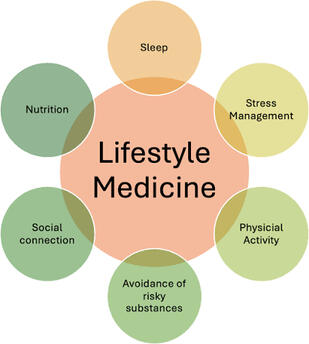
A crucial part of any sport is the support aspect. For figure skating student athletes especially, it is very important to be mindful of one's nutrition and stress management, which are two of the pillars of lifestyle medicine.If you have not yet completed the pre-survey, please click here
Once you have finished reading this post, please continue to the post-survey hereFor further inquiries, please email [email protected]
Healthful Nutrition
Sport nutrition knowledge is often limited and can vary based on gender, status, and race, even for athletes. The most common barriers to learning about nutrition are usually logistical barriers, for example living arrangement barriers or not having enough time, money, cooking skills. In addition, most youth athletes aren't financially independent enough to buy and cook their own food. For youth athletes, lack of knowledge also can come from a lack of credible sources. Despite the abundance of fitness influencers and information circulating online, only 36% of nutrition posts are actually accurate, and around 55% did not provide any evidence to support their claims.However, learning about nutrition early is an opportunity to cultivate lifelong habits. For example, knowing which foods are good for you, how to cook nutritious meals with them, being exposed to movement and exercise, and even simply having an interest in food and nutrition can be beneficial to your health later on in your life and prevent diseases such as heart disease, inflammation, and diabetes. It can also lead to motivation to fuel or drink properly, for example by not skipping meals.
Although it is true that better nutrition knowledge is correlated with a positive attitude towards nutrition, it doesn’t necessarily translate into better food choices. A study on soccer players aged 14-18, it was found that athletes are more likely to eat well compared to non-athletes, but were also more likely to eat fast food and sugary drinks due to the high presence of these foods at sporting events (Manore et. al, 2017).Poor food choices also lead to use of risky substances or dietary supplements, thus it is also important to learn about these supplements and if they are needed. Supplements such as protein powder, creatine, and energy drinks are being increasingly marketed to teenage athletes due to the commercialization of youth sports. As a result, most athletes who consume dietary supplements do so without seeking medical advice.A study among elite youth athletes in the UK showed that the most common reason for perceived need of supplements is performance based, with the desire to maintain and build strength tallying in at 72.2% of the participants surveyed. Other reasons included endurance enhancement, training longer, and to remedy an unbalanced diet. However, it should be noted that supplements generally do not significantly remedy an unbalanced diet.

Protein intake is one of the more widely known aspects of nutrition due to its high circulation online. While it is true that athletes need more protein than non-athletic children, most athletes ideally only need 1.2 to 2.0 grams of protein per kilogram of body weight per day, and preferably split across 3-4 meals to optimize muscle protein synthesis and recovery (Rosenfeld et. al, 2025). In addition, unlike popular belief, a plant-based diet with little or no animal products can provide the same amount of protein as an omnivore diet with no restrictions on meat, dairy, or other animal products, as long as the total energy intake is roughly similar as well.
Carbohydrate ingestion before and during exercise is useful as it can delay fatigue and improve endurance. However, it has been largely demonized on many social media platforms due to popular fitness fads. Notably, the keto diet has gained a significant following online due to influencers marketing it as a solution for weight loss and health. For athletes, cutting out carbohydrates is hugely detrimental due to the sudden loss of a fuel source. Not only does it take away most of the energy that the body needs to function and perform well, it also increases the risk of low energy availability and unhealthy eating habits.
Fat is important to growth and development, but the correlation to sport performance is unclear. 25-30% of energy should come from dietary fat, but these recommendations are dependent on one’s daily energy expenditure. However, if weight loss is needed for hard physical training, it is preferred to reduce fat intake rather than protein or carbohydrates.
Healthy weight loss should be done gradually and not more than 1.5% body mass per week. Rapid weight loss leads to muscle breakdown, and can interfere with an adolescent’s growth and development. According to a 2011 study on nutrition for elite youth athletes, generally, to lose half a kilogram of fat in one week, one must expend 14700kJ (3500 kcal) more than one consumes, and it is often suggested that the preferred way to do this is to consume 7350kj (1750 kcal) fewer per week and expend 7350kj (1750 kcal) more per week by exercise (Armstrong et. al, 2011). While it is true that a lean and light physique is desired for endurance sports and aesthetic sports such as figure skating, risks lie in energy deficiency, macronutrient deficiency, menstrual irregularity, poor bone health, and eating disorders.LEA (low energy availability), also known as relative energy deficiency in sport, is the term for a person not meeting the recommended diet for their activity level, for instance consuming less than they burn through exercise. LEA is correlated to bone osteoporosis, or a decrease in bone density, which is lifelong and cannot be reversed. It causes the bone to become easily susceptible to fractures, even from seemingly minor incidents. Especially in figure skating, the most common reason for LEA is due to insufficient carbohydrate intake, because of the widespread notion that a skater can only succeed if they have an extremely low body weight. The risk of LEA, as well as disordered eating or eating disorders, is increased because of the fact that the practice of underfueling may be engrained in the culture of the sport, and even perceived as ‘normal.’ Most notably, there is a survivorship bias, where abnormally thin Russian skaters have been famously successful, so young skaters and their teams believe that being thin is the only way to succeed in skating.
These conditions all come from a lack of understanding regarding the different nutritional requirements after taking into consideration one’s sport. Nutritional needs are different for each person, and vary based on age, activity level, weight, height, and if their sport is endurance or strength based. For example, a distance runner and bodybuilder would have vastly different diets, which is completely normal and expected.Unlike common belief, disordered eating and ED are different. DE refers to thoughts about weight control, diet, and compensatory behavior to burn energy/calories. It causes negative psychological, physical, performance effects, and predisposes people to develop an ED. EDs, such as anorexia and bulimia, are severe psychiatric conditions, which need specialized care. It centers on self evaluation based on body weight and shape, and has an increased mortality rate.
Stress Management
Demands on adolescents from balancing school and sports can lead to stress, burnout, depression, and anxiety, as well as an increased risk of suffering from eating disorders. Further, social media puts pressures and obligations on young athletes too. For example, athletes could end up placing unnecessary burdens on themselves, feel inadequate in comparison to others due to something they saw online. Another common stressor was injuries, which combined with the use of social media can make the surveyed athletes feel negatively when seeing themselves be stagnant and see others improving (Lundqvist et. al, 2023). Finally, a significant source of stress can come from decreasing social life due to sports and school responsibilities, combined with the pressure to do well in both aspects.Thankfully, there are ways athletes can lessen or avoid these stressors. The most significant method is to have a strong support system. This can include parents, friends, teammates, coaches, or older athletes as people to act as a mentor. Having a safe space to develop as a person and athlete strengthens one’s sense of psychological safety, as well as sense of self value. older athletes as people to act as a mentor. Further, it is also important to have some type of psychological support, such as a school counselor, therapist, or psychologist, although many do not believe they need it. Aside from teaching self-care behavior, these professionals can also promote coordination between sport and school, which gets everyone working towards the same goal and reduces stress. Another way to manage stress is by firstly identifying what is causing you stress, then developing a plan that includes stress management techniques that are actually enjoyable for you (“Stress Management – Lifestyle Medicine,” 2025).